
tempered glass
Understanding Gauge Pin Class A Technical Overview In the realm of manufacturing and quality assurance, precision is non-negotiable. One of the key tools used to ensure this precision is the gauge pin. These small, cylindrical tools may seem simple, but their role in measuring and checking the accuracy of dimensions in manufactured parts is monumental. Among various specifications, the concept of gauge pin class plays a crucial role in defining the application, quality, and performance of gauge pins. What is a Gauge Pin? A gauge pin is a precisely manufactured pin used to measure or control the size and location of holes, slots, or other features. Typically made from hardened steel or alloy, gauge pins are available in various diameters and lengths to accommodate different tasks. They are often categorized based on their tolerances, which are the permissible limits of variation in a physical dimension. The Importance of Classifying Gauge Pins Gauge pins are classified based on their dimensional accuracy and tolerance levels, which are essential in applications requiring high precision. The classification helps manufacturers choose the right gauge pin based on the specific needs of their projects. The most common types of gauge pin classes include 1. Go Pins and No-Go Pins - Go pins are used to check whether a hole or feature is of the correct size. If the go pin fits, the feature passes the test. - No-go pins, on the other hand, verify that the feature does not exceed a certain size. If the no-go pin fits, the feature is too large and fails the inspection. 2. Grade Pins - Gauge pins are often graded based on their manufacturing quality. The grading system can vary by region but typically includes classes such as ANSI (American National Standards Institute) grades or ISO (International Organization for Standardization) tolerances. 3. Material Classes - Different materials offer varying levels of hardness, corrosion resistance, and wear resistance . The selection of material class for gauge pins can affect the longevity and accuracy of the measurements taken. gauge pin class Understanding Tolerances Each gauge pin class comes with specific tolerances, which dictate the allowable variations from the nominal size. These tolerances are crucial because different applications require different levels of precision. For example, in aerospace or medical device manufacturing, tighter tolerances are often necessary due to the critical nature of the components involved. Manufacturers must choose gauge pins with tolerances appropriate for the required application to ensure reliability and safety. Applications of Gauge Pins The applications of gauge pins are far-reaching across various industries. In automotive manufacturing, gauge pins ensure that critical holes align for engine assembly, while in the electronics sector, they help verify the dimensions of circuit boards and connectors. In mold and die manufacturing, gauge pins are essential for ensuring that components fit together seamlessly during assembly. Selecting the Right Gauge Pin Class When selecting the appropriate gauge pin class, manufacturers must consider several factors, including - Measurement Requirements Understanding the tolerance requirements for the specific application will guide the selection of go or no-go pins. - Material Compatibility Choosing the right material ensures that gauge pins can withstand the operating environment without degrading or losing accuracy. - Cost Considerations Higher precision often comes with a higher price point, so manufacturers must balance quality requirements with budget constraints. Conclusion In manufacturing, the significance of gauge pins and their classification cannot be overstated. By understanding gauge pin classes, manufacturers can ensure that they select the appropriate tools for their measuring and inspection needs. This not only enhances precision but also improves the overall quality of the final product. As industries continue to evolve and demand higher accuracy, the importance of gauge pin classes will remain a cornerstone of quality assurance in manufacturing processes. Embracing these precision tools is essential for organizations striving for excellence in today’s competitive environment.
about
tempered glass
Understanding the Pricing of Micrometers A Closer Look at the 0 to 25mm Range Micrometers are essential precision instruments used extensively in engineering, manufacturing, and scientific applications. They provide highly accurate measurements, typically in the range of millimeters or inches, allowing professionals to ensure that their components meet stringent specifications. One common type is the micrometer that measures from 0 to 25mm, a versatile tool for various tasks. However, understanding the pricing of these instruments is crucial for both professionals and hobbyists alike. Understanding the Pricing of Micrometers A Closer Look at the 0 to 25mm Range Professional-grade micrometers, often made from superior materials such as hardened steel and featuring advanced calibration techniques, can range anywhere from $50 to several hundred dollars. Brands like Mitutoyo, Starrett, and Brown & Sharpe are renowned for their high-quality micrometers, and their products typically reflect a premium price point. For instance, a Mitutoyo digital micrometer could easily exceed $100 due to its electronic readout and enhanced accuracy. micrometer 0 25mm price Another consideration in micrometer pricing is whether the tool is mechanical or digital. Digital micrometers, while generally more expensive, offer convenience through easy-to-read displays and often include features like data output capabilities. The ease of use provided by digital models can justify the higher cost for many users, especially those working in environments where precise measurements are critical. In addition to the initial purchase price, it is worthwhile to consider the long-term value of investing in a high-quality micrometer. Cheaper models might require replacement over time due to wear and tear, while investing in a more durable option can lead to cost savings in the long run, especially for those who rely on these tools daily. Moreover, factors such as calibration and accessories can also influence final costs. Regular calibration is essential for maintaining the accuracy of micrometers, and some vendors offer calibration services for an additional fee. Accessories such as protective cases, extension rods, or specialized anvils may also add to the initial cost. In conclusion, while the basics of a 0 to 25mm micrometer can be acquired at relatively low prices, quality and precision often come at a higher cost. Understanding these pricing dynamics is vital for anyone looking to purchase a micrometer, ensuring they select a tool that meets their specific needs without overspending. Whether for professional use or personal projects, careful consideration of the options available will ultimately lead to a more satisfying purchase.
-

High quality industrial productsagement

High quality industrial products
View Details -

Meet the diverse needs of customers

Meet the diverse needs of customers
View Details -

Strict quality control

Strict quality control
View Details -

Top raw materials

Top raw materials
View Details -

Trusted supplier

Trusted supplier
View Details
Our application
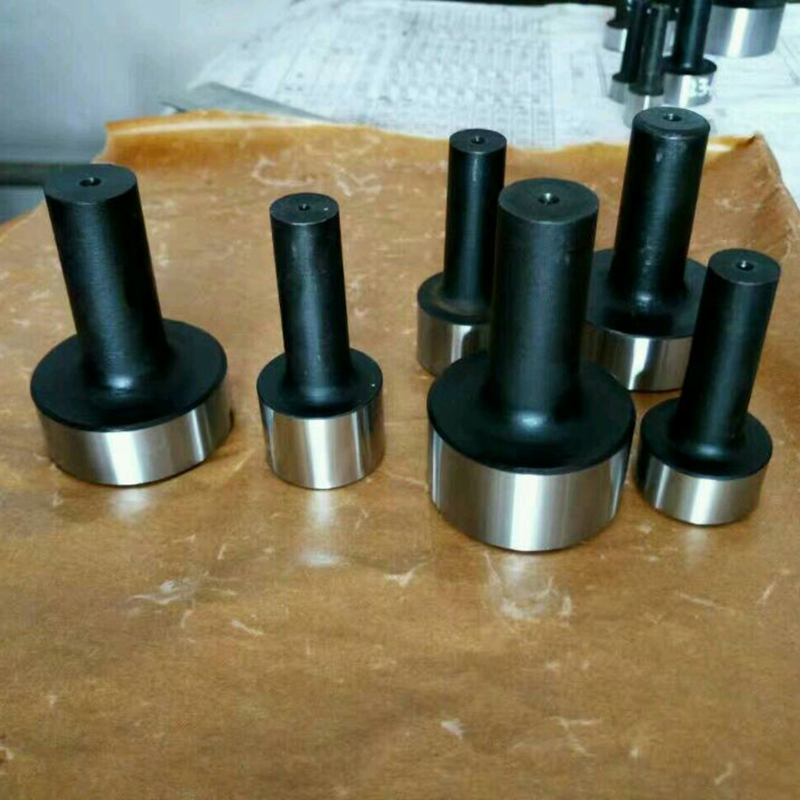
news and information
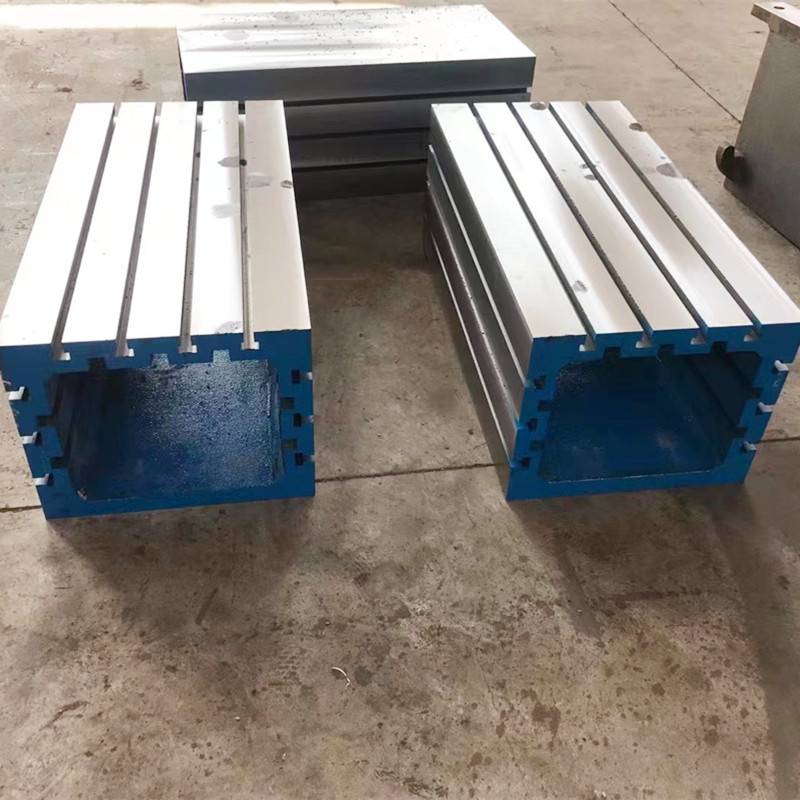
valve gate valve
Understanding Valve Gate Valves An Essential Component in Modern Industry In various industrial appl
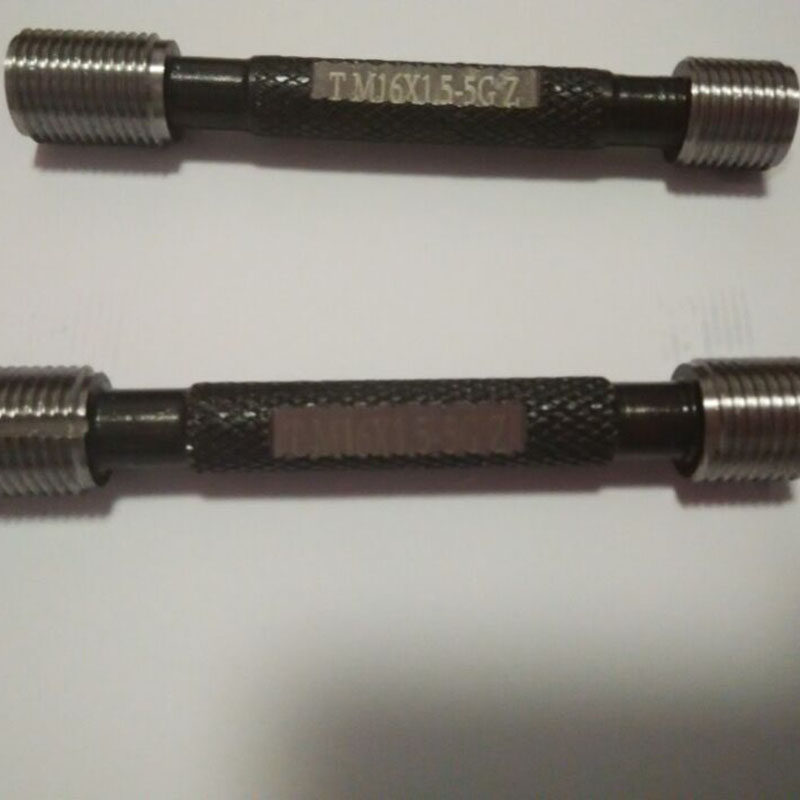
using v blocks
Utilizing V Blocks A Comprehensive Guide V blocks are essential fixtures in machining and manufactur
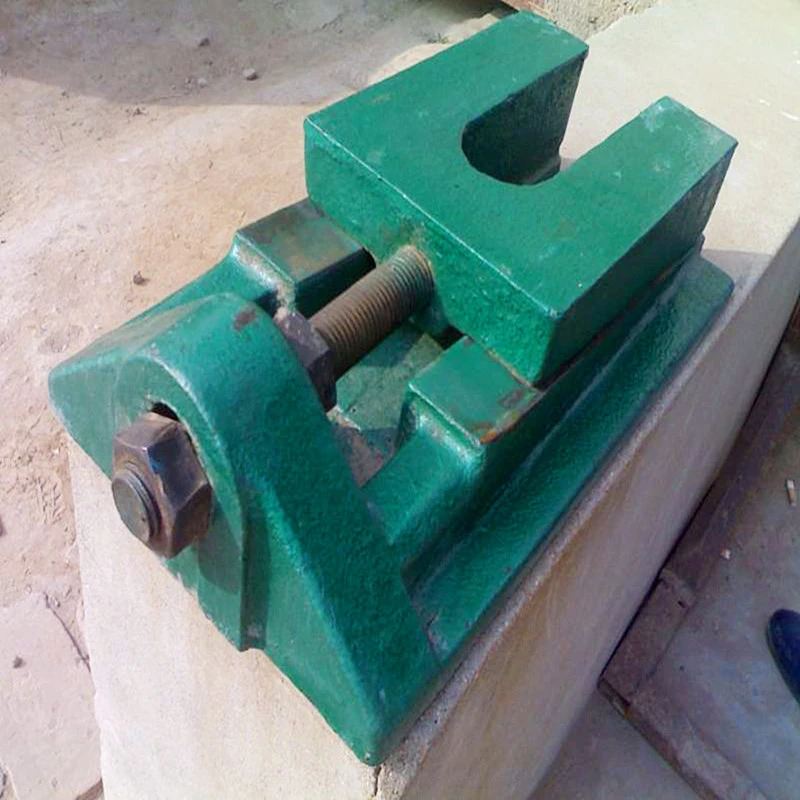
Valvola di ritegno 6an per sistemi idraulici e pneumatici di alta qualità
Il settore industriale moderno richiede soluzioni efficienti per il controllo del flusso di fluidi,
 English